Range Rover
3D Automotive animation
 United States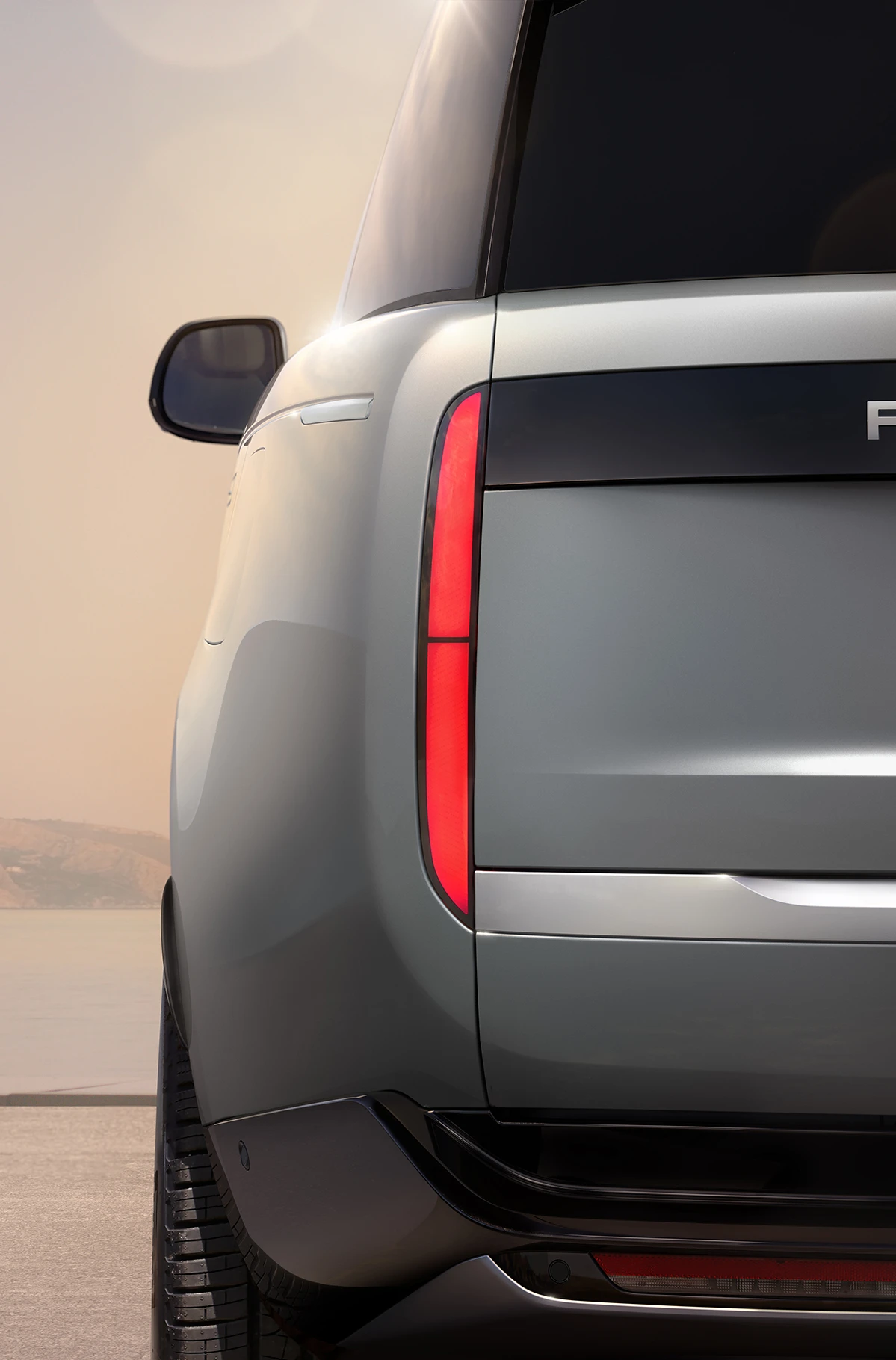
Project Overview
This is a self-initiated technical study by Haraay Design Studio, Pune an automotive 3D modelling exercise focused on modelling discipline, retopology, and clean topology construction, benchmarked against premium automotive surfacing standards. Automotive surfaces are the recognised benchmark for 3D modelling craft:
Our Approach
Haraay treated this as a pure modelling discipline exercise. The work focused on edge flow planning before construction, building topology that follows the natural curvature logic of the form rather than fighting it.
Outcome & Impact
The automotive 3D study developed and demonstrated Haraay's modelling and retopology discipline at the standard automotive surfacing demands. For clients, this matters because clean topology is the foundation everything else in 3D depends on animation,...
Frequently Asked Questions
Retopology is rebuilding a 3D model's geometry with clean, efficient, quad-based topology while preserving the original form. It matters because clean topology is what allows a model to deform predictably in animation, subdivide without artefacts, render efficiently, and perform in real-time environments. Poor topology creates problems at every downstream stage.
Because large, continuous, highly reflective panels expose every flaw. Any irregularity in edge flow or curvature continuity becomes visible in the reflections, which is why automotive modelling is used as the standard test of surface modelling discipline.
Yes. Haraay's Pune studio — based in the centre of India's automotive engineering industry produces automotive and vehicle 3D modelling, visualisation, and animation for manufacturers, component suppliers, and product brands, including work for TVS Motors on hub motor visualisation.